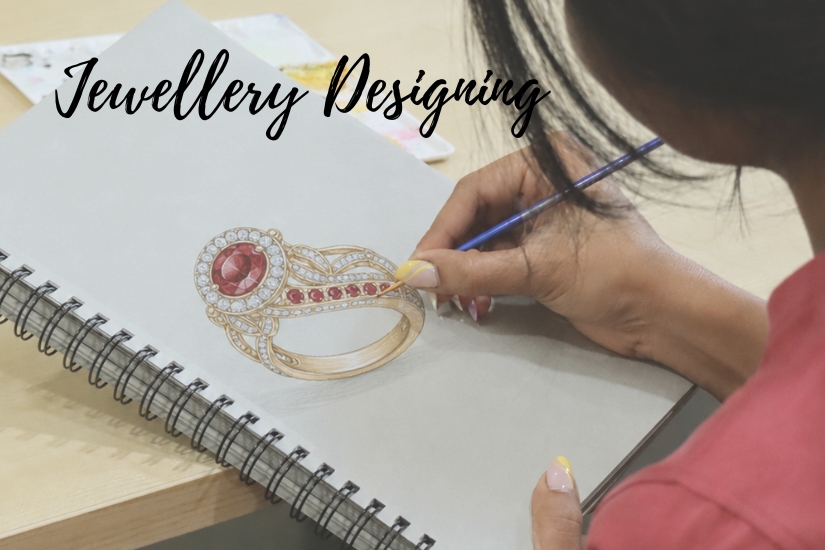
When it comes to pursuing a career in Design, the National Institute of Design (NID) is the most prestigious group of design institutes in India. With several campuses across the country—NID Ahmedabad, NID Bengaluru, NID Gandhinagar, NID Vijayawada, NID Kurukshetra, NID Bhopal, and NID Assam—students often wonder which one offers the best placements. While every campus provides strong opportunities, placement success rates, industry exposure, and recruiter networks differ among them. Let’s explore which NID ranks the highest and what makes it stand out.
NID Ahmedabad is the oldest and most reputed campus, established in 1961. It is considered the flagship institute of the NID family and consistently records the highest placement percentages among all campuses.
Reasons for its success:
Placement Highlights:
NID Bengaluru focuses on postgraduate design education, particularly in Digital Design, Information Design, and Interaction Design.
Why it stands out:
Career Edge:
Ideal for tech-oriented designers aiming for careers in digital products, gaming, and user experience design. Students often secure some of the highest salary packages among all NIDs.
NID Gandhinagar specializes in Lifestyle Accessory Design, Apparel Design, and Strategic Design Management.
Placement Insights:
Career Edge:
Ideal for students aspiring to work in fashion management, product design consulting, and brand innovation.
The newer campuses—NID Vijayawada, NID Kurukshetra, NID Bhopal, and NID Assam—are still building their placement networks.
Key Points:
While every NID campus has unique strengths, NID Ahmedabad remains the top choice for placements. Its graduates enjoy excellent opportunities in India and abroad, supported by a reputation built over six decades.
However, your personal interests, specialization, and creative skillset are equally crucial. Choosing the right NID should balance placement prospects with the creative environment and design discipline that matches your passion and long-term career goals.

Hi,
The NID Design Aptitude Test (DAT) is a national-level entrance exam that selects students for admission to the prominent National Institute of Design (NID) campuses' undergraduate and graduate design programs.
You should be aware that NID questions, and syllabus, are designed to assess a candidate's imagination, creativity, and perceptual skills, as well as general knowledge and observation. NID is primarily concerned with problem-solving resources.
Work on your imagination.
You must be creative and come up with new and original ideas. For instance, you should have enough creativity to be able to recycle your thoughts daily hence, start observing everything around you from today onwards. Get motivated when studying for the NID exam, work with zeal, and then be amazed by your thoughts and inventions.
Organizing your time
Drawing and artistic skills are rendered meaningless if you are unable to communicate your ideas in the exam hall within the allotted time. Maintaining speed necessitates careful attention. Get a calendar as well as a diary.
Prioritize your goals.
Make time for extensive study sessions.
Take good care of yourself.
Don't fall asleep in the middle of a study session.
Get enough rest.
Solve NID DAT Question Papers from Previous Years to improve your preparation, go over all of the past years' NID DAT question papers. Then, every day, offer simulated tests.
A3 sketchbooks should not be used. Always use A4 paper because that is the typical size of the exam answer sheets.
Practice your drawing skills
During the test, don't think about grades or high scores. You should build confidence in your artwork and response.
Always begin by drawing with a gentle touch. You can finish shading once they're happy with their ratio and a rough outline. To save time throughout the exam, avoid erasing and redrawing.
Dry colors should be used more often because they are easier to use during the test and take less time.
Make a clear timetable for your preparations You should set aside time to prepare for the NID DAT. Setting a schedule is the best approach.
Material for Studying
Good study material is the most critical aspect of any exam preparation. It is vital to study the correct NID study material to pass the exam. The greatest NID DAT book for exam preparation.
You can seek courses and consultations at numerous NID Coaching Institutes, like the Academy of Fashion and Art for the best guidance on your preparation for NID entrance exam.
Hope this was Helpful
Before beginning preparation, it is essential to understand the structure of the NID entrance exam. The exam is conducted in two stages: the Design Aptitude Test (DAT) Prelims and the DAT Mains.
The DAT Prelims primarily tests a candidate’s creativity, observation skills, and basic design sense. This stage usually includes:
Objective questions on general knowledge, design concepts, and reasoning.
Drawing and sketching tasks to assess visualization and illustration skills.
Candidates who clear the prelims appear for the DAT Mains, which evaluates:
Problem-solving abilities through design-based assignments.
Portfolio assessment, where prior creative work is judged.
Personal interviews to assess motivation, clarity of thought, and design thinking.
Understanding this exam structure helps aspirants focus on the right skills and resources from the start.
Visual representation is a major component of the NID exam. To excel:
Practice freehand drawing and perspective sketches regularly.
Focus on proportion, shading, and composition.
Draw everyday objects, human figures, and natural scenes to improve observation skills.
Study the works of successful designers to understand different illustration styles.
A strong foundation in design theory is crucial. Key areas to focus on include:
Color theory, typography, and graphic design principles.
Study design trends and case studies from institutes like NIFT, UID, IIAD, TDV, and WUD to broaden your knowledge.
Stay updated with current events, innovations, and cultural trends that influence design thinking.
The DAT Mains often includes problem-solving tasks requiring candidates to design functional solutions. To prepare:
Practice brainstorming techniques and mind-mapping for idea generation.
Work on case studies and propose innovative design solutions.
Develop the ability to think creatively under time constraints, a skill tested in both prelims and mains.
A compelling portfolio can significantly influence admission decisions. It should showcase:
Diverse projects demonstrating creativity, technical skills, and innovation.
Personal design explorations, such as sketches, illustrations, and prototypes.
Work reflecting your interest areas and approach to design challenges.
Projects inspired by institutes like NIFT, UID, IIAD, TDV, and WUD, showing awareness of industry standards.
Familiarity with the exam pattern reduces anxiety and improves efficiency. Steps to follow:
Solve previous year NID entrance papers to understand question types.
Time your practice sessions to enhance speed and accuracy.
Analyze mistakes carefully to avoid repeating them in the actual exam.
Consistent preparation is key. Candidates should:
Prepare a daily study schedule balancing drawing, theory, and problem-solving.
Dedicate time to portfolio enhancement and mock tests.
Take short breaks to refresh the mind and maintain creativity levels.
Feedback from mentors and peers provides valuable insights:
Join design workshops or coaching classes offered by top institutes.
Share your portfolio with experienced designers to get constructive criticism.
Participate in online design forums and competitions to gain exposure and confidence.
Preparing for the NID entrance exam requires a combination of creativity, technical knowledge, and strategic planning. By focusing on drawing skills, design awareness, problem-solving abilities, and portfolio development, aspirants can significantly improve their chances of success. Additionally, analyzing previous papers, managing time effectively, and seeking feedback from experienced mentors will further strengthen preparation. Institutes like NIFT, UID, IIAD, TDV, and WUD provide excellent examples and resources that can guide aspirants in achieving their design goals. With consistent effort and disciplined practice, cracking the NID entrance exam is an achievable milestone for any aspiring designer.