A Multimedia Designer is a creative professional who blends art, technology, and storytelling to produce engaging visual content across different digital platforms. They work in industries like advertising, entertainment, education, gaming, and digital marketing, using their creativity to communicate messages through images, videos, animations, sound, and interactive graphics.
At the core, a multimedia designer is responsible for conceptualizing, designing, and producing multimedia content that captures attention and communicates effectively. Their job is not limited to just creating visuals — they also integrate motion, sound, and interactivity to enhance user experience.
For instance, a multimedia designer might create an animated advertisement, design a company’s website visuals, develop motion graphics for a film, or produce e-learning materials with interactive features. The essence of their work lies in storytelling through multiple media formats.
Multimedia design is a dynamic field that requires a balance of creativity and technical skills. Some of the main responsibilities include:
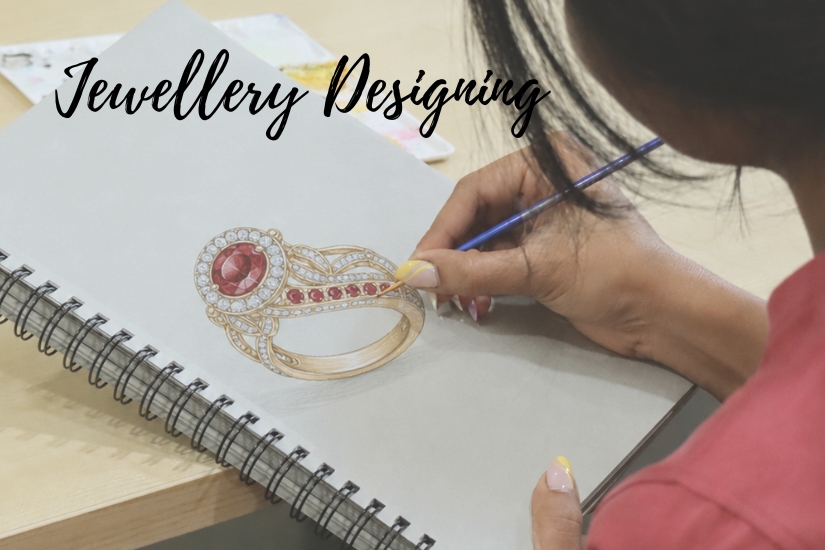
A multimedia designer begins with brainstorming and sketching ideas. They develop visual concepts, create storyboards, and decide on the style, color palette, and layout that best fit the project’s purpose. Creativity and originality play a huge role here.
Creating animated sequences and motion visuals is one of the most exciting aspects of the job. Designers use software like Adobe After Effects, Blender, or Cinema 4D to bring still images to life. These animations can be used in advertisements, explainer videos, and digital campaigns.
Multimedia designers often work on video editing and sound mixing to ensure the final product has a smooth flow. They combine voiceovers, background music, and sound effects to enhance emotional impact and viewer engagement.
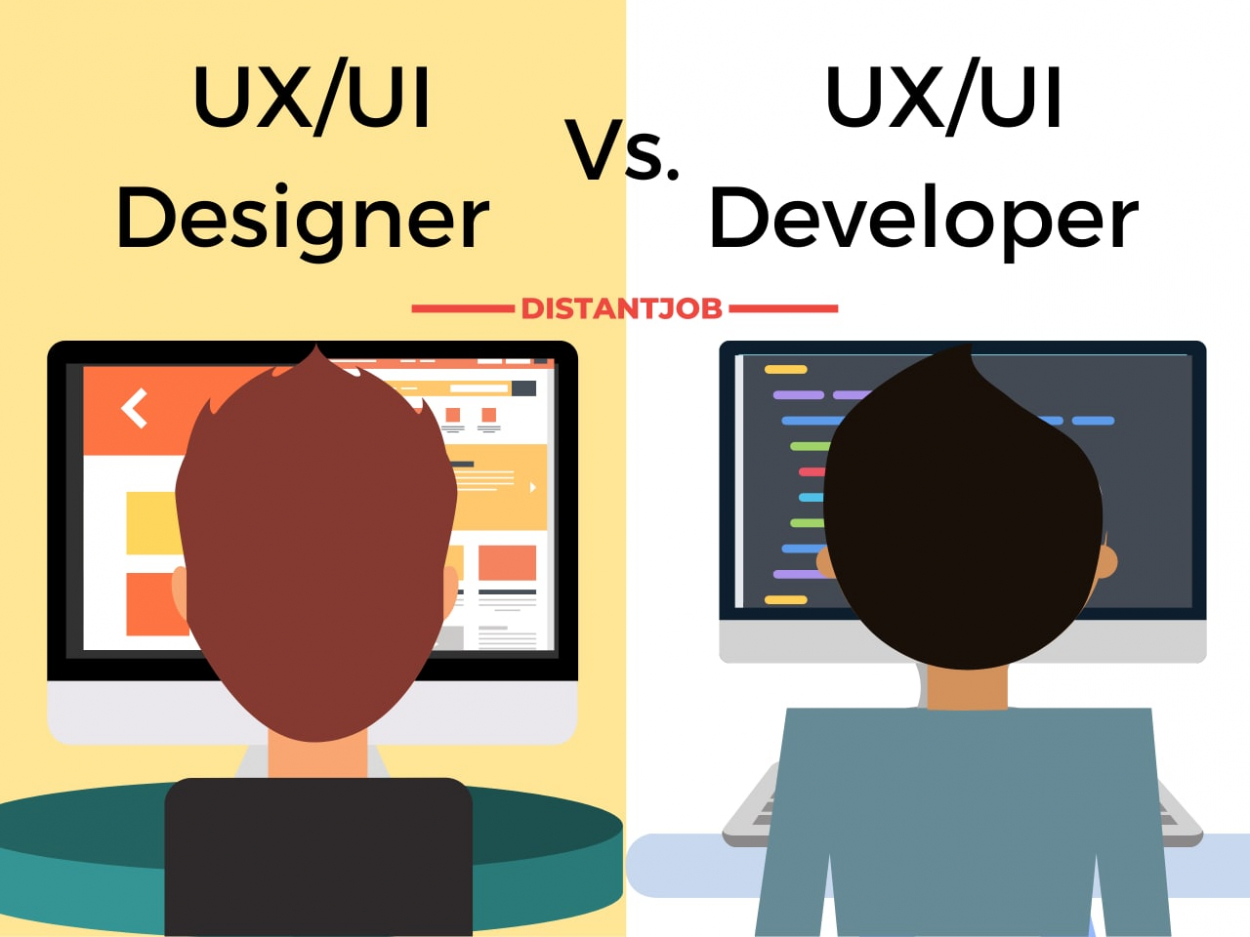
In today’s digital world, interactivity is key. Multimedia designers create interactive presentations, websites, and e-learning tools that allow users to engage with the content directly. This requires knowledge of user interface (UI) and user experience (UX) design principles.
They collaborate closely with marketing teams, developers, writers, and clients to understand project goals and deliver creative solutions. Managing timelines, reviewing feedback, and ensuring consistent design quality are part of their day-to-day tasks.
To thrive in this field, a multimedia designer needs a unique blend of artistic creativity and technical expertise.
A strong sense of visual storytelling, color theory, and design aesthetics is crucial. The designer must know how to make visuals appealing and communicate emotions effectively.
Familiarity with graphic design and animation software such as Adobe Photoshop, Illustrator, After Effects, Premiere Pro, and 3D modeling tools is essential. Understanding HTML, CSS, and UI/UX tools can also give an edge.
Every frame, sound, and transition matters. A successful multimedia designer pays close attention to details, timing, and composition to produce high-quality outputs.
Since they work with multiple departments, effective communication and collaboration skills are vital to understanding project needs and ensuring creative alignment.
The demand for multimedia designers spans across a variety of sectors, including:
As digital media continues to expand, so do opportunities for skilled multimedia designers.
A multimedia designer can evolve into roles such as Art Director, Motion Graphics Designer, UI/UX Designer, or Creative Director. With experience, they can also choose to freelance or start their own design studio. The career path is flexible, creative, and constantly evolving with new technologies like virtual reality (VR), augmented reality (AR), and artificial intelligence (AI).
Choosing a career in multimedia design means entering a world where creativity meets technology. It offers the freedom to express ideas visually, shape brand identities, and influence how people experience digital content. It’s perfect for individuals who enjoy visual storytelling, innovation, and problem-solving through design.
In a world where digital communication dominates, multimedia designers play a crucial role in bridging creativity with communication — making messages not just seen but felt. It’s a career that rewards imagination, skill, and a passion for bringing ideas to life.