An NID portfolio is a creative collection of your best design works, ideas, and visual expressions. It is meant to showcase your artistic skills, design thinking, and creativity during the admission process at the National Institute of Design (NID).
Your portfolio is more than just sketches—it’s a personal story of how you observe, imagine, and execute ideas. A strong portfolio helps the evaluators understand your design journey, interests, and potential, reflecting not only your technical skills but also your problem-solving approach and unique creative personality.
The main goal of the portfolio is to demonstrate your creative process, not just the final artwork. Evaluators are looking for:
In essence, the portfolio should clearly show who you are as a designer and how your creativity stands out.
There are no strict rules, but a balanced portfolio usually contains a mix of creative works. Each piece should reveal something about your style, skills, or interests.
1. Sketches and Drawings
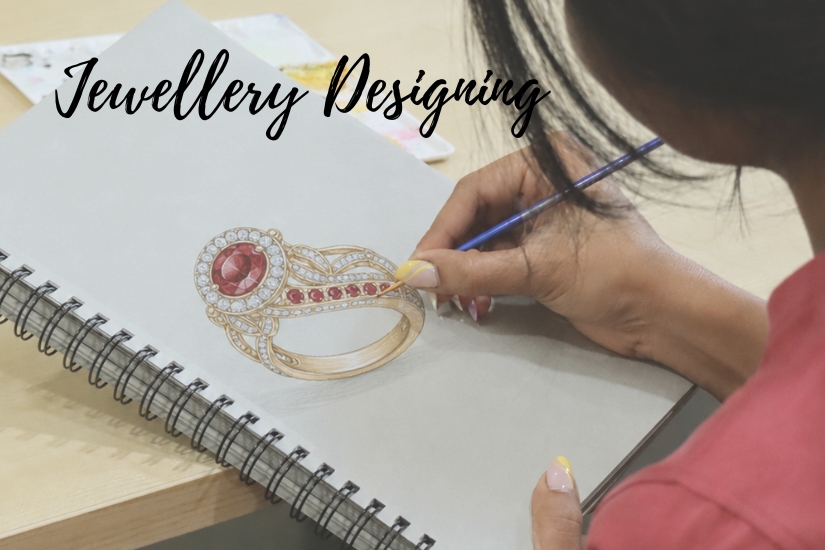
Include freehand sketches, still life, human figures, and everyday scenes to showcase your drawing skills, proportions, and perspective sense.
2. Design Concepts and Ideas
Present original design ideas—product concepts, logos, or packaging. Focus on showing your thought process, not just the final outcome.
3. Creative Artwork
Paintings, digital illustrations, photography, or craftwork show your diversity and willingness to experiment.
4. Projects or Assignments
Include school projects, freelance work, or workshop assignments with short descriptions highlighting your learning and approach.
5. Process Work
Display step-by-step development—from research, sketches, and idea generation to the final outcome. This reflects your design process and critical thinking.
A great portfolio relies on clarity, creativity, and originality, not expensive tools. Key qualities include:
Presentation plays a vital role in how the jury perceives your work. Whether digital or physical, ensure it is organized and visually balanced.
Start with an Introduction: Short personal introduction about your background and design interests.
Create a Flow: Arrange work logically—from simple sketches to complex ideas.
Add Short Descriptions: 2–3 lines explaining your concept, materials, and process.
Keep it Minimal: Include only 10–15 best works, avoiding overcrowding.
Professional Finishing: Scan or photograph clearly, maintain color accuracy and consistent borders.
Even talented applicants lose marks due to:
An NID portfolio is more than a collection of artworks—it’s a reflection of your creativity, personality, and design journey. To impress the NID panel, focus on:
Your portfolio should tell a genuine story about who you are as a designer, showing your ability to think, create, and communicate visually.
To pursue a course on design, require a lot of creativity and skills. If you are creative enough you are ready to crack NID DAT. you just only have to work on written part in order to qualify any entrance exam for design. But the must thing for every candidates is to make a portfolio for themselves.
Portfolio is showcasing the collection of one's best creative work. For any creative field, portfolio is important whether it is for academic level or for official level. College administrator or recruiters give admission or hire you seeing your portfolio which reflects your previous work and experiences.
Popular design colleges such as NID, IIT, IISc, NIFT etc, determine student’s portfolio primarily because they want to know more about how much creative skills the candidates have. It also help the understand if the student has a natural inclination towards the course they have applied for.
NID, National Institute of design is undoubtedly the leading Institute of design in India. NID organise a two stage national level Entrance examination every year for admission of students for B. Des and M. Des courses provided by NID. The entrance examination of NID is being called NID-DAT. DAT stands for design aptitude test. Every part of this examination is based on the candidate's visualisation skills, creative & observation skills, knowledge, comprehension, analytical ability, et cetera. Experts have shared that this NID's design aptitude test is one of the most challenging design entrance exams conducted in India.
NID DAT has two stages of exam which are NID DAT prelims and NID DAT mains. Candidates need to qualify both of the exams in order to get admission at NID. NID prelims is the first stage of the exam and is the written test. After qualifying prelims candidates can sit for mains. NID DAT mains consist two parts such as: NID Studio test and personal Interview.
Portfolio is required in order to qualify the personal interview round.
So, if your are thinking of pursuing any design courses, you need to build a portfolio for yourself which will also secure your artwork and will make your creative skills proud.
All the best for your future!

Creating a strong NID portfolio is one of the most crucial steps for aspirants aiming to secure admission into the National Institute of Design (NID). A well-crafted portfolio reflects your creativity, design thinking abilities, and technical skills, which are essential for selection in highly competitive design institutes. Alongside NID, other prominent design schools in India, such as NIFT, UID, IIAD, TDV, and WUD, also emphasize portfolios as a key part of their admission process.
The NID portfolio serves as a personal showcase of your design capabilities. Unlike traditional academic evaluations, the portfolio emphasizes your creative approach, problem-solving skills, and ability to communicate ideas visually. For admissions to NID, the portfolio can significantly influence the initial shortlisting for the Design Aptitude Test (DAT) and subsequent interviews.
Key reasons why the portfolio is important include:
Showcase Creativity: It highlights your originality and imaginative thinking.
Demonstrate Skills: Exhibits technical abilities such as drawing, sketching, and digital design.
Reflect Design Thinking: Shows your approach to problem-solving and design solutions.
Differentiate Yourself: A strong portfolio sets you apart from thousands of applicants competing for limited seats.
A strong NID portfolio should balance creativity, technical precision, and personal expression. Below are essential components to include:
Include projects that represent your unique ideas and passion for design. Personal projects often showcase individuality more effectively than academic assignments. Examples include handmade crafts, innovative products, sketchbooks reflecting experimentation with colors and forms, and conceptual design projects that demonstrate problem-solving skills.
Include select academic projects that demonstrate your design foundations. Work from art classes, technical drawings, or product design exercises from schools like NIFT, UID, or IIAD can strengthen your portfolio. Focus on neat presentation, clarity in the design process and outcome, and relevance to the field of design you are applying for.
NID values the thought process behind each design. Documenting the journey from concept to final product is essential. Include initial sketches, rough drafts, mood boards, inspiration sources, and iterations or modifications based on feedback. This demonstrates your approach to problem-solving and iterative thinking.
Showcasing digital skills is increasingly important in modern design education. Include digital illustrations, 3D modeling, or animations if relevant. Institutes such as UID, IIAD, and TDV also value digital competencies. Highlight your use of software like Adobe Illustrator, Photoshop, or CAD tools, ensuring a clear visualization of design ideas with a balance between creativity and technical execution.
Highlight any niche skills that may make your portfolio unique. For instance, if applying to WUD, showcasing expertise in user experience, interaction design, or product usability can be a strong differentiator.
The way your portfolio is presented can significantly impact your application. Keep the following tips in mind:
Neat and Organized: Maintain consistency in layout and structure.
Storytelling Approach: Present projects as narratives showing challenges, processes, and solutions.
Quality over Quantity: Include fewer, well-executed projects rather than many mediocre ones.
Visual Clarity: Ensure images, sketches, and digital works are high quality and properly labeled.
Personal Touch: Let your personality and perspective shine through each project.
Once your NID portfolio is ready, preparation for the review process is critical. Be ready to:
Explain your design decisions clearly.
Discuss your sources of inspiration and influences.
Demonstrate problem-solving approaches used in each project.
Show confidence and enthusiasm about your work.
Crafting an impressive NID portfolio is not just about technical proficiency; it is about expressing your creativity, design thinking, and individuality. Including a variety of projects—personal, academic, and digital—along with clear documentation of your process, will enhance your chances of admission. While NID remains a premier choice, other institutes like NIFT, UID, IIAD, TDV, and WUD also highly value thoughtfully curated portfolios, making this skill universally important for aspiring designers.
By focusing on originality, clarity, and a well-organized presentation, aspirants can create portfolios that truly reflect their potential and readiness for a successful career in design.