Becoming a Leather Designer is an exciting career choice for those passionate about fashion, creativity, and craftsmanship. Leather designing is not just about making stylish bags, shoes, or jackets—it is about understanding materials, textures, colors, and innovative design techniques. To succeed in this field, one must study a blend of artistic, technical, and business-oriented subjects. These subjects help students build the skills required to design high-quality leather products for fashion houses, brands, or independent ventures.
One of the most essential subjects for any aspiring leather designer is Leather Technology. This subject teaches the science behind leather processing, including tanning, finishing, and surface treatment. Students learn how raw hides are converted into finished leather suitable for various products. It also covers eco-friendly tanning methods, which are gaining importance in sustainable fashion.
Understanding different types of materials is crucial for leather designers. In Material Science, students study various types of leather, synthetic substitutes, and textiles used in combination with leather. The course also introduces learners to quality testing, durability assessment, and innovative materials like vegan or bio-leather that are becoming popular in the global market.
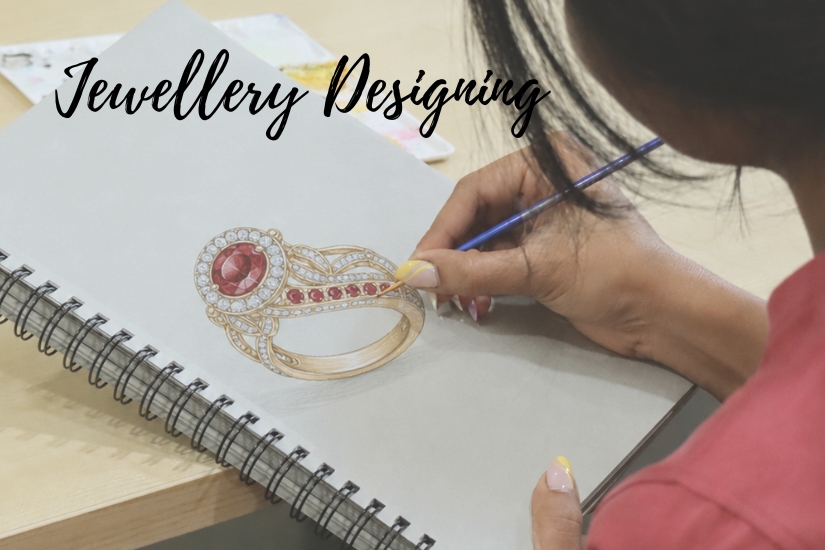
A leather designer must have a strong sense of aesthetics and creativity. Fashion Illustration and Design helps students express their ideas visually. They learn sketching, coloring, and computer-aided design (CAD) techniques to create detailed product drawings. This subject enhances the designer’s ability to conceptualize handbags, footwear, belts, and apparel before actual production.
Designing leather goods requires precision in cutting and stitching. Pattern Making and Garment Construction focuses on creating accurate templates for leather products. Students learn how to measure, cut, and assemble different pieces efficiently. This subject helps bridge the gap between design imagination and real-world production.
A successful designer must know how to convert an idea into a finished product. Product Development teaches about prototype creation, costing, and market analysis. Students explore different styles, experiment with hardware fittings, and understand consumer preferences. It also includes insights into designing collections based on seasonal trends.
Modern leather design heavily depends on technology. CAD software helps in digital sketching, 3D modeling, and surface pattern design. Students can visualize their products realistically before production. This subject not only saves time but also enhances precision and creativity.
Leather design extends beyond apparel. Footwear and Accessories Design focuses on creating shoes, bags, wallets, and belts. This subject teaches the anatomy of footwear, types of soles, and functional design principles. For accessories, students learn about hardware selection, stitching techniques, and ergonomics.
To make leather products visually appealing, designers learn Surface Ornamentation. This subject involves embossing, embroidery, painting, printing, laser cutting, and decorative stitching on leather surfaces. It encourages creativity and personalization, which are vital in high-end fashion markets.
Even the most creative designer must understand the market. Marketing and Merchandising introduces students to branding, product positioning, pricing, and retail strategies. It helps them identify consumer behavior, fashion trends, and business models in the leather industry. This subject is particularly useful for those who want to launch their own brand.
With the global shift towards sustainability, Sustainable and Ethical Design has become an important part of leather education. Students learn how to minimize waste, use eco-friendly materials, and ensure ethical sourcing. Understanding this subject makes designers more responsible and globally competitive.
Strong drawing and visualization skills help designers communicate ideas effectively. They must practice freehand sketching and understand color theory, proportion, and texture to bring designs to life.
Leather design involves a lot of manual work. Knowledge of hand-stitching, cutting, and molding techniques helps in creating high-quality and durable products. These skills are highly valued in luxury and artisan markets.
For those dreaming of starting their own label, Entrepreneurship and Business Management are valuable subjects. They cover topics such as business planning, financial management, supply chain, and customer relations—all essential for running a successful design enterprise.
To become a successful Leather Designer, one must master a combination of technical, creative, and business subjects. From understanding leather materials and fashion design to exploring sustainability and entrepreneurship, every subject plays a vital role in shaping a well-rounded designer. With dedication, creativity, and the right education, you can build a rewarding career in this dynamic and stylish industry—creating innovative leather products that blend tradition with modern fashion trends.