A career in multimedia design is perfect for creative minds who love combining art, technology, and storytelling. Multimedia designers are the backbone of today’s digital world — from stunning graphics and animations to interactive websites, videos, and virtual experiences. To build a strong foundation in this field, you need to study a blend of artistic, technical, and communication-based subjects. Let’s explore what subjects are essential to become a successful multimedia designer, along with how each contributes to your creative and professional growth.
At the heart of multimedia lies graphic design, which teaches the fundamentals of color theory, typography, layout design, and composition. These skills help you create visuals that communicate ideas effectively. Learning how to balance text, imagery, and space is crucial for designing posters, web pages, advertisements, and brand materials.
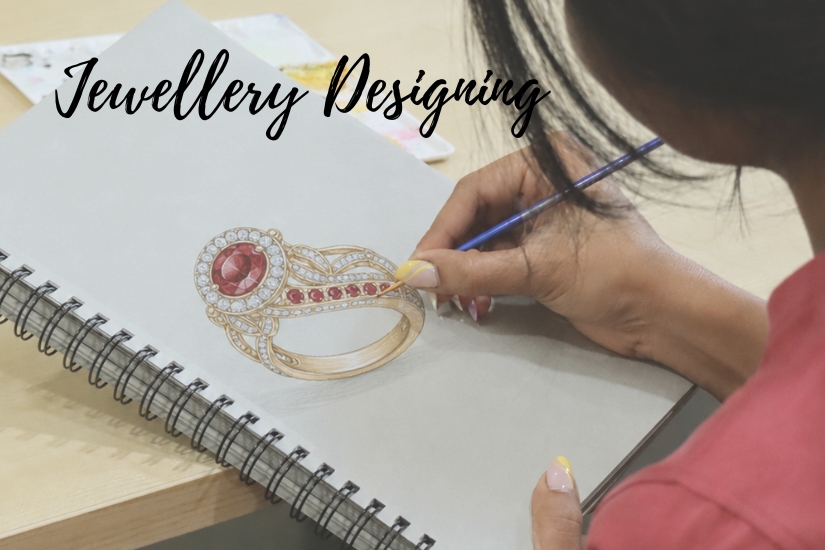
A multimedia designer must have a strong sense of visual storytelling. Studying illustration and drawing helps you understand form, perspective, and visual balance. Whether you work digitally or traditionally, sketching and illustrating are core skills that shape your ability to bring creative ideas to life.
Animation is one of the most exciting parts of multimedia design. This subject introduces you to 2D and 3D animation, storyboarding, character design, and motion graphics. You’ll learn software like Adobe After Effects, Blender, or Autodesk Maya, which are essential for creating dynamic visual experiences in advertising, films, or gaming.
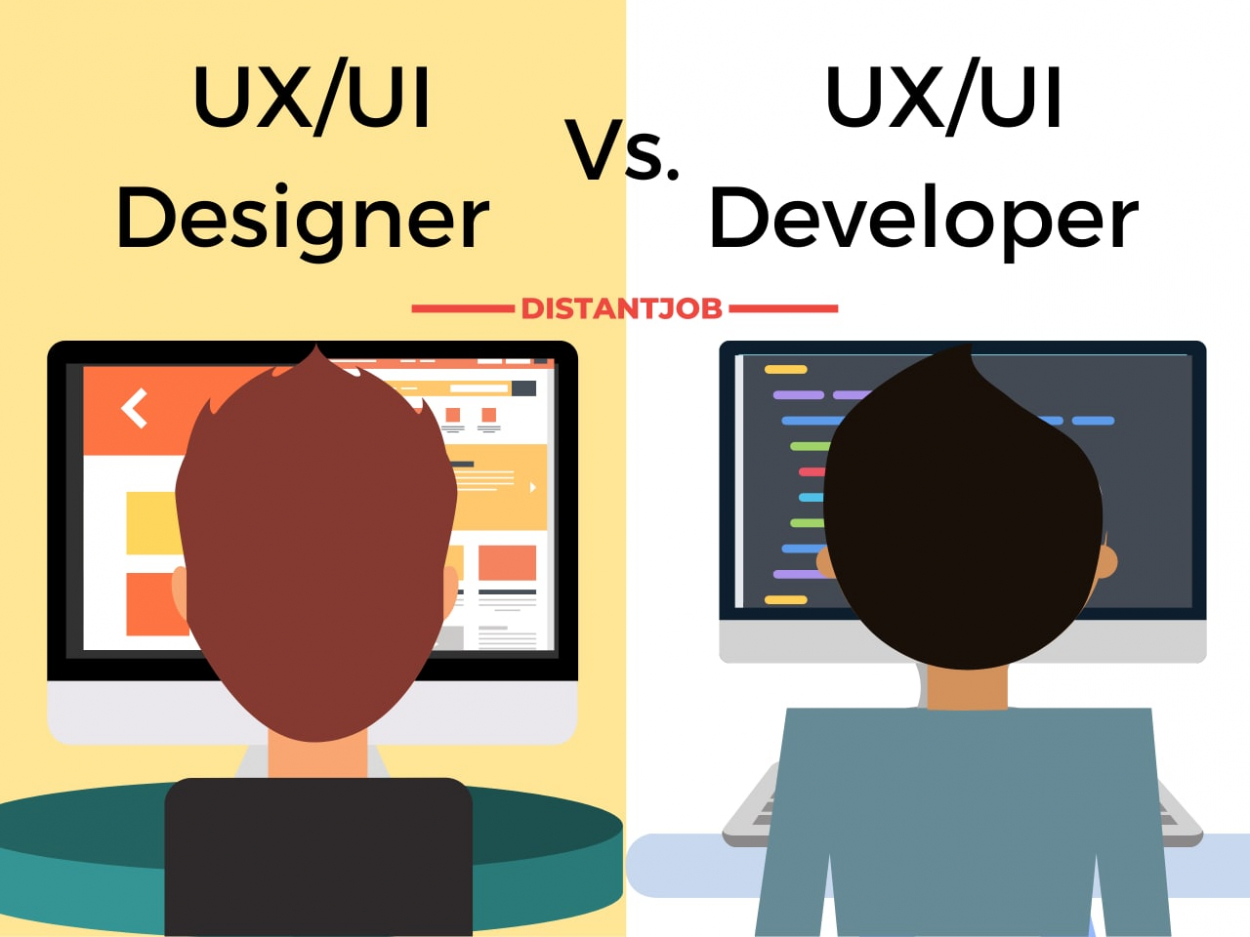
Modern multimedia designers often work on websites, apps, and digital interfaces. Studying web design involves learning HTML, CSS, and UX/UI principles. This subject helps you understand how visuals function in interactive spaces, ensuring your designs are both attractive and user-friendly.
Video is one of the most powerful tools for storytelling. This subject teaches camera handling, lighting techniques, audio recording, and editing. Learning to use software such as Adobe Premiere Pro or Final Cut Pro allows you to produce professional-quality multimedia content for marketing, social media, and entertainment industries.
For those interested in advanced design, studying 3D modeling and visual effects is vital. You’ll explore how to create realistic environments, textures, and effects using tools like Cinema 4D or Maya. These skills are particularly useful in film production, advertising, and gaming design.
Understanding how media works is just as important as creating it. Courses in communication theory, media ethics, and storytelling teach you how audiences perceive visual content. This subject also enhances your ability to create designs that align with brand messaging and marketing goals.
A successful multimedia designer knows how to blend creativity with business strategy. Studying marketing principles and brand management helps you understand client needs, target audiences, and how design influences consumer behavior. These insights make you more valuable in the professional world.
Proficiency in design software is non-negotiable. This subject focuses on mastering industry-standard tools like Adobe Photoshop, Illustrator, InDesign, After Effects, and CorelDRAW. You’ll learn to manipulate images, create visual effects, and design layouts with precision and creativity.
Photography is closely linked to multimedia design. Learning the basics of lighting, framing, composition, and photo editing helps you create compelling visuals. A good designer often uses photography as a foundation for digital compositions and visual storytelling.
Sound adds depth and emotion to visual media. Studying sound design introduces you to audio recording, mixing, and synchronization techniques. Whether you’re creating a video ad or an animated short, the right audio design enhances the impact of your visuals.
For those who love interactivity, game design and interactive storytelling are thrilling areas. You’ll study game mechanics, character development, and user engagement — essential for designing immersive experiences in gaming, VR, and AR.
With the rise of digital platforms, UX/UI design has become a top career path. This subject focuses on usability, user research, wireframing, and prototyping. You’ll learn how to design intuitive interfaces that make technology easy and enjoyable to use.
Typography gives personality to design. Studying type anatomy, hierarchy, and readability helps you communicate ideas clearly through text. In multimedia, typography plays a huge role in branding, web design, and advertising.
Every multimedia designer needs a strong portfolio. This subject guides you through building a professional body of work, showcasing your best projects across various media. It also covers presentation skills, freelancing basics, and industry ethics, preparing you for the professional world.
Becoming a multimedia designer requires a unique mix of artistic creativity and technical expertise. The subjects you study — from graphic design and animation to video editing and UX design — all work together to shape your skills as a visual storyteller. Beyond technical mastery, understanding communication, branding, and user experience ensures your work connects meaningfully with audiences.
With dedication, continuous learning, and a strong creative vision, you can build an exciting and rewarding career in the ever-evolving world of multimedia design.