The Bachelor of Architecture (B.Arch) is one of the most sought-after undergraduate programs for students aspiring to build a career in architecture, design, and planning. The journey to becoming a professional architect begins with clearing the B.Arch entrance exams, which are conducted at both national and state levels in India. Understanding when these exams are held and their structure is crucial for aspirants to plan their preparation effectively.
B.Arch exams are conducted for admission into the 5-year undergraduate program in architecture. These exams test a candidate’s:
Unlike general entrance tests, B.Arch exams focus heavily on design sensibilities and spatial understanding, along with basic mathematics and reasoning skills.
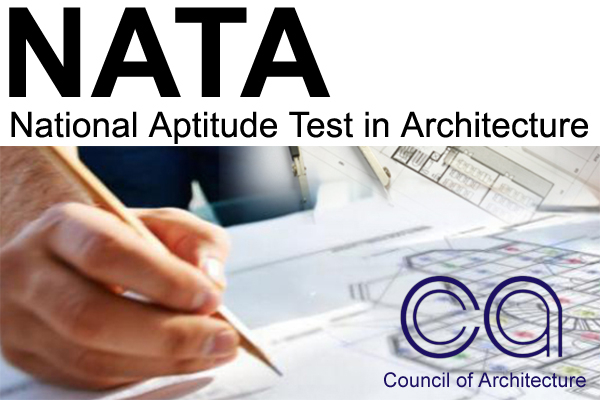
The most prominent national-level B.Arch entrance exam is the National Aptitude Test in Architecture (NATA), while some institutions and states conduct their own exams, such as JEE Main Paper 2 for architecture courses.
The NATA exam is conducted by the Council of Architecture (CoA). It is usually held twice a year, giving candidates multiple opportunities to secure admission:
NATA tests candidates on multiple aspects:
The exam has two parts:
Drawing Test
Computer-based Test (Mathematics, general aptitude, and reasoning)
Candidates must perform well in both sections to achieve a qualifying score.
For students aiming for admission into NITs, IIITs, and other centrally funded institutions, JEE Main Paper 2 is preferred.
Conducted twice a year: January and April
Exam consists of three parts:
Candidates should check the latest syllabus and pattern, as minor updates may occur each year.
Apart from national-level exams, state boards and universities conduct their own B.Arch entrance exams:
Examples: Maharashtra, Uttar Pradesh, West Bengal.
Candidates should check specific schedules, application dates, exam pattern, and eligibility criteria for their respective states.
To appear for B.Arch exams, candidates must fulfill certain eligibility criteria:
Educational Qualification: 10+2 with Mathematics as a compulsory subject
Some institutions also accept Diploma holders in Architecture or related fields
Application Process:
Forms are usually available online a few months before the exam
Candidates must submit:
Focus on Drawing Skills: Regular sketching practice enhances creativity and accuracy
Revise Mathematics and Reasoning: These sections are scoring with consistent practice
Stay Updated with Architecture Trends: Modern architecture, environmental design, and building materials help in the aptitude section
Time Management: Simulate exam conditions to improve speed and accuracy
B.Arch exams are usually held twice a year at the national level, with additional exams conducted by state boards. Proper planning, awareness of exam dates, and consistent preparation are essential for success. By focusing on both creativity and technical skills, candidates can confidently pursue a career in architecture.