
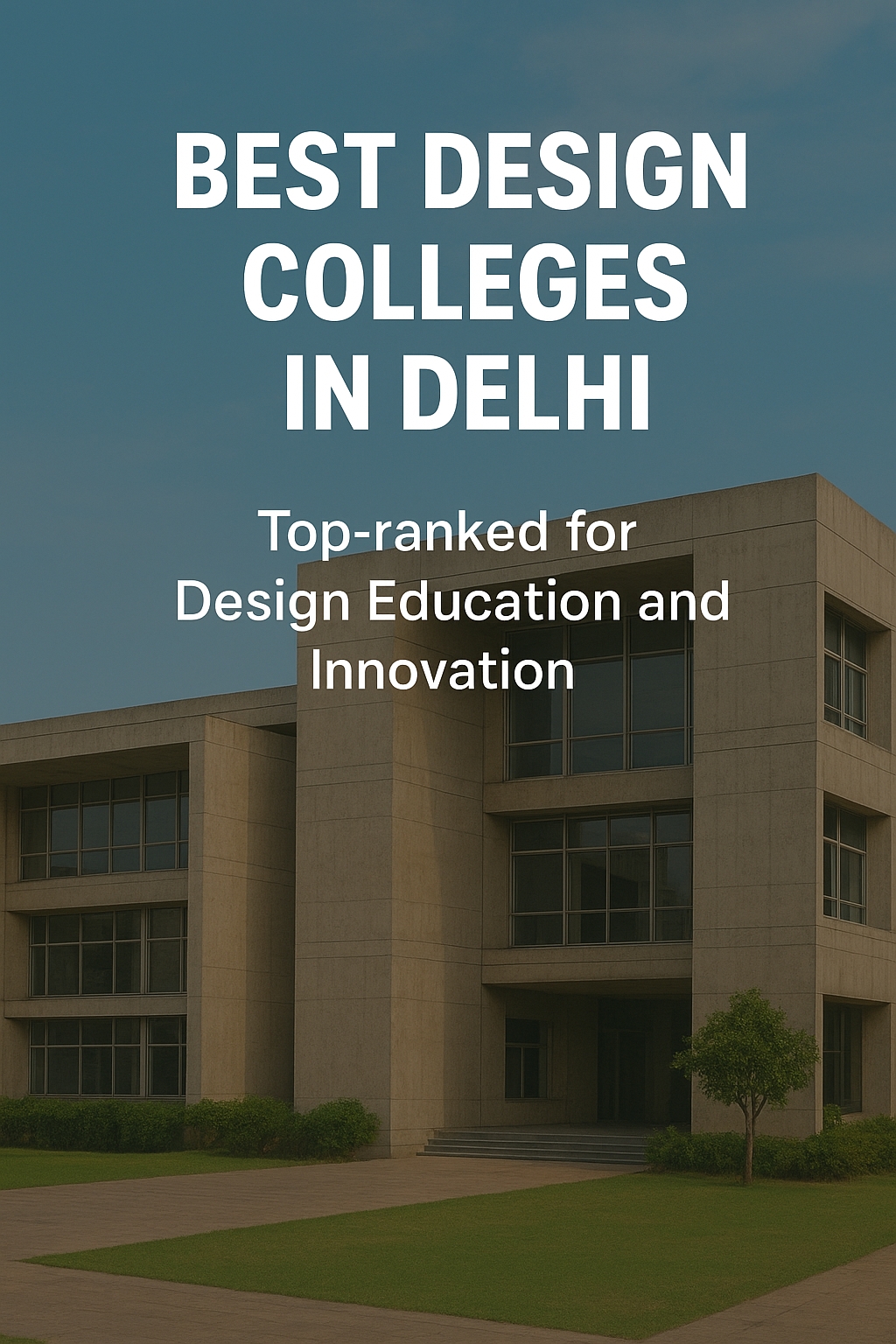
When it comes to design education, Delhi stands out as a creative powerhouse. The city not only hosts some of India’s most reputed design institutes but also provides immense exposure to art, culture, and industry trends. Whether your interest lies in fashion, product, communication, or interior design, Delhi offers a wide range of choices to shape your creative career.
Here are the Top 10 Best Design Colleges in Delhi, along with what makes each one special.
One of India’s oldest and most prestigious institutes, NIFT Delhi is synonymous with excellence in fashion and design education. It offers top-notch programs in Fashion Design, Textile Design, Accessory Design, and Fashion Communication.
The institute is known for its state-of-the-art labs, renowned faculty, and strong industry connections. Regular fashion shows, workshops, and exhibitions provide real-world exposure, making NIFT Delhi a dream destination for aspiring designers.
IIT Delhi has recently introduced a B.Tech in Design, combining creativity with technology. Admission is through JEE Advanced and UCEED, ensuring a highly competitive and talented batch.
The curriculum blends design thinking, product design, human-computer interaction, and research, making it ideal for students who want a mix of innovation and technical expertise.
IIAD Delhi emphasizes studio-based learning, encouraging students to explore through experimentation and hands-on practice.
It offers courses in Fashion Design, Product Design, Interior Architecture, and Animation & Film Design. Being located in central Delhi, students get access to art galleries, exhibitions, and design markets, ensuring constant exposure to the creative world.
Pearl Academy is known for its strong focus on fashion, communication, and lifestyle design. It regularly collaborates with industry experts and hosts workshops, fashion shows, and global exchange programs.
With impressive placement records, international exposure, and modern facilities, Pearl Academy remains one of the most popular private choices among design aspirants.
Amity University offers a wide array of design programs — from Fashion and Interior Design to Graphic and Industrial Design.
Its modern studios, digital labs, and international collaborations ensure students get a global learning experience. While the fees are on the higher side, the infrastructure, faculty quality, and global exposure justify the investment.
The JD Institute focuses on practical learning through internships, industry projects, and workshops.
It offers courses in Fashion Design, Interior Design, and Styling, all designed to build strong creative and technical foundations. The institute also maintains active ties with the industry, ensuring students gain exposure through real-world experiences.
Located just outside Delhi, the World University of Design offers a calm yet connected campus environment.
It provides specialized courses in Communication Design, Interior Architecture, Fashion Design, and Transportation Design. With international collaborations and a research-oriented curriculum, WUD is fast gaining a strong reputation among modern design learners.
IMS DIA is known for its small batch sizes and personalized mentoring. It offers focused programs in Fashion Design, Graphic Design, and Interior Design.
The institute emphasizes skill-based learning and offers affordable education compared to other private options, making it ideal for students seeking quality education at a reasonable cost.
Apart from NIFT and IIT, Delhi also hosts other government-supported design colleges that offer high-quality education at lower fees.
These institutes provide strong academic foundations, maintain discipline, and often collaborate with the industry on live projects. They are excellent for students looking for value-for-money education in creative fields.
Colleges such as the Academy of Applied Arts and INSD (International School of Design) offer focused programs in Animation, Interior Design, and Visual Effects.
Their flexible course structures, project-based learning, and individual attention make them perfect for students wanting to specialize in niche creative domains.
Choosing the best design college in Delhi depends on your career goals, learning style, and creative interests. If you aim for legacy and prestige, NIFT Delhi or IIT Delhi are unbeatable. For innovation and modern exposure, Pearl Academy and IIAD are great options. And if you seek affordability and focused training, institutes like IMS DIA or WUD can be the right fit.
Delhi’s vibrant atmosphere ensures that wherever you study, you’ll always be surrounded by creativity, culture, and opportunity.

Designing:
Design is the specialty of making dress and adornments. As a scholastic field of study, style configuration pulls from many disciplines, including history, business, representation, and innovation. As a workmanship practice, style configuration is interwoven with culture. Style planners make pieces of clothing in view of purchaser interest or their own imaginative vision, and shoppers answer those plans, introducing recent fads.
The most effective method to Concentrate on Style Plan
In the Fashion world, your portfolio, abilities, and energy will generally be a higher priority than where you went to class. Studying style plan, be that as it may, is an extraordinary method for dominating planning devices and fabricate associations. This is the way to get everything rolling.
1. Find out about the design business:To seek after a schooling in style plan, the initial step is to get your work done. Research design history and come out as comfortable with latest things and difficulties in the business.
2. Show yourself the nuts and bolts: Learning the nuts and bolts of style plan and development — drawing, sewing, and example making — is one more essential method for setting yourself up for training in style plan.
3. Make your own plans: One method for knowing whether style configuration is the right vocation way for you is to take a shot at a few unique plans.
4. Construct a portfolio: Prior to applying to mould school, you ought to assemble an arrangement of your work — drawings of your plans or even photos of your own dress line. Most undergrad style configuration projects will require a portfolio as a feature of your application.
Scope of Fashion Designing:
Originator of Style: A style planner is an expert who is responsible for making new plans, portrayals, and models for style changes, as well as welcoming these plans into creation on different kinds of dress. Functioning as a style creator should be possible freely or for a partnership.
Originator of gems: A goldsmith is an individual who is liable for the plan and creation of a wide range of kinds of adornments, for example, anklet and arm band sets, choker neckbands, bangles, etc. A gem dealer would draw various plans prior to picking the sort of material used to finish the creation
Material Fashioner: Material creators make two-layered plans that can be utilised to deliver sew, weave, and printed materials or material items, for the most part as a tedious example. Material originators work in both the material and style businesses. In any case, they often practise or work in a specific setting inside the material business, and they can be tracked down in both modern and non-modern settings simultaneously
Style merchandiser: A person responsible for deciding the illustrating component of a design retail location and directing customers in finding the things they want is alluded to as a style merchandiser. A style merchandiser goes about as a contact among traders and clients, offering the two sides the data they expect to go with very much educated buying choices.
A powerhouse in the design business: A style force to be reckoned with is an expert who is liable for expanding buyer consciousness of recent fads in the style business as well as empowering shoppers to follow them. Obscure to people in general, style powerhouses are people who work independently and with a scope of organisations to advance and sell their items and help others in deciding their design needs.
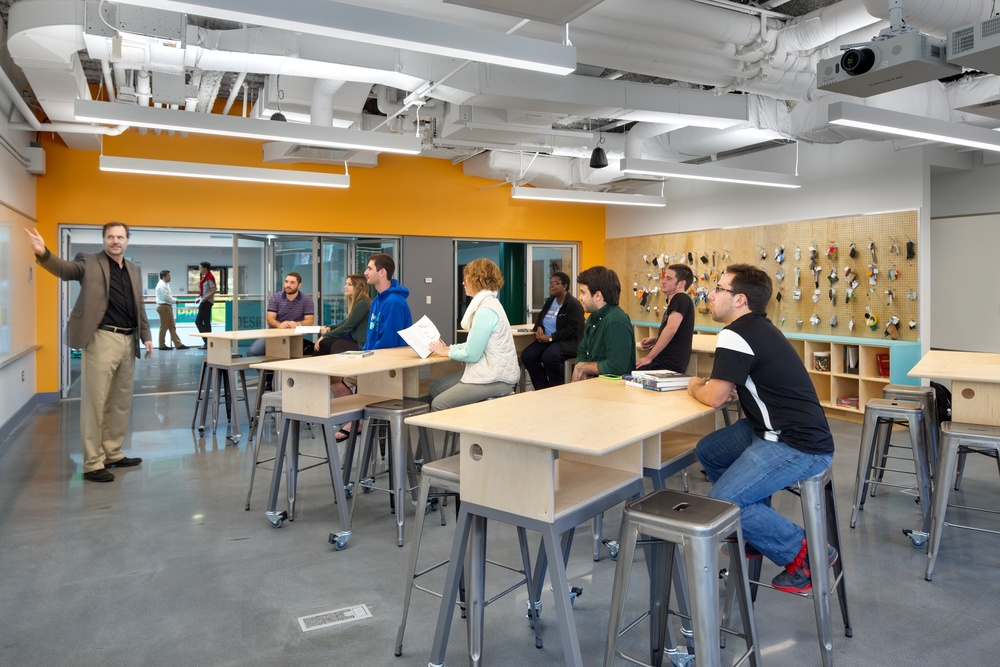
Design is the process of developing a strategy or standard for the construction of a structure or a system. In many fields, the word "design" has diverse meanings. Direct building of a thing is occasionally seen as design as well.
It is frequently necessary to consider the aesthetic, functional, economic, and sociopolitical aspects of the design process and the design object. Considerable thought, modeling, interactive modification, and re-design may be required. While this is happening, a wide range of things may be created, including clothes, graphical user interfaces, buildings, corporate identities, business processes, and even design methodologies.
Design is a strategic plan or a roadmap for someone to realize a particular expectation. It outlines the requirements, plans, parameters, costs, expenses, actions, processes, and how to achieve that goal while adhering to all applicable legal, political, social, environmental, safety, and economic considerations.
About 270 design colleges in Delhi NCR provide design courses at the diploma, undergraduate, and graduate levels. One of the key factors influencing a student's decision to attend a design college in Delhi or the National Capital Region is the availability of several jobs that offer a wide range of work options.
Out of the 270, roughly 82 percent are private, 14 percents are public or government, and 3 percent are public/private. NIFT Delhi, Pearl Academy, Amity School of Fashion Technology, and IMS Design & Innovation Academy are a few of the well-known design institutes in Delhi NCR.
The final year of study at Amity School of Fashion Technology includes placement opportunities. Numerous pupils have been hired by numerous prestigious businesses, organizations, fashion designers, retail companies, etc. Amity School of Fashion Technology offers undergraduate BDes programs in four specializations, each lasting four years, with the exception of B.Des in Fashion Design-3 Continent. Students may study abroad in the United States or the United Kingdom for one semester throughout this three-year degree. The institution provides MA, M.Des, and MBA programs at the postgraduate level, each lasting two years.
IIT Delhi, often known as the Indian Institute of Technology, is a prestigious institution that offers 102 undergraduate, graduate, integrated, and doctorate degree programs. B.Tech., M.Tech., M.Sc., and Ph.D. programs are offered at the Indian Institute of Technology in Delhi in a number of engineering, physical science, management, humanities, and social science fields. According to NIRF 2022 data, the institute, which falls under the category of "Institutes of Technology," has achieved the fourth-best overall ranking.
Delhi's JD Institute of Fashion Technology was founded in 1988. The institution is private and coed. The president of JD Institute of Fashion Technology, Mr. Chandrakant Dalal, and Mr. R. C. Dalal created the school (Executive Director & Co-Founder of Indian Film Festival). The school offers cutting-edge and unique programs in areas such as fashion, interior design, jewelry design, fashion communication, visual merchandising, make-up artistry, Vaastu shastra, pattern-making technology, etc. The institute offers postgraduate diplomas and diploma courses. The students at Delhi's JD Institute of Fashion Technology have access to placement and scholarship possibilities as well. For the benefit of the students, the institution has partnered with a variety of organizations.
Most of the renowned design institutes in India provide entrance exams. In general, these entrance exams shortlist applicants for admission to the courses they offer based on how well the applicant performs in the tests or rounds listed below:
Design Aptitude Tests
Studio Tests or group discussion (GD) round
Portfolio review or Personal interview
The following are standard design admission exams that hopefuls should think about taking:
NIFT (National Institute of Fashion Technology)
NID DAT (National Institute of Design— Design Aptitude Test)
UCEED (Undergraduate Common Entrance Examination for Design)
CEED (Common Entrance Examination for Design)
AIEED (All India Entrance Examination for Design)
SEED (Symbiosis Entrance Exam for Design)
UPES DAT (University of Petroleum and Energy Studies — Design Aptitude Test)
Pearl Academy Entrance Exam
Below are the essential requirements for entrance to a design course at the undergraduate and graduate levels.
If applicants have successfully finished their 10+2 program from an accredited board with passing marks, they may be admitted to a UG-level design course. Candidates for admission to a UG design course may be from any stream (Science, Commerce, or Arts).
Candidates must have graduated from a reputable college or institute in order to be admitted to a PG-level design program. It should be mentioned that most universities prefer graduates with a bachelor's degree only in the design track for PG-level admissions. However, if they have the necessary ability and skill set, applicants from other streams may also be qualified to apply for admission to a PG design course.
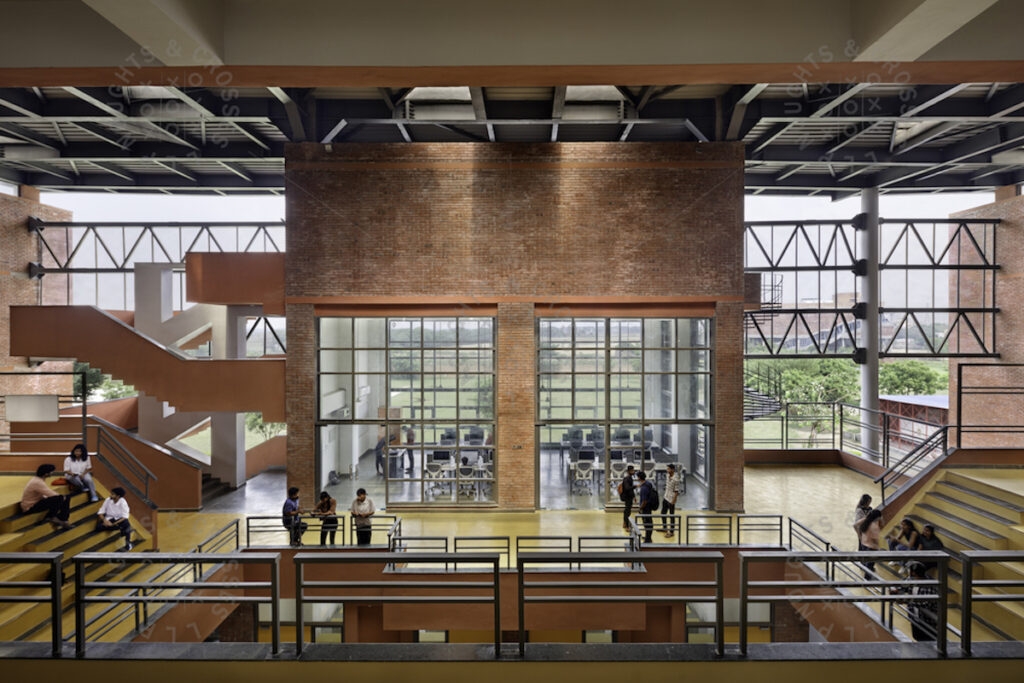
Delhi, the creative and cultural hub of India, has emerged as one of the most preferred destinations for design education. From fashion and communication design to industrial and interior design, the city offers some of the finest institutions that shape the next generation of designers. Students who aspire to build successful careers in design often look for colleges that provide a perfect blend of creativity, innovation, and practical exposure. Let’s explore the Top 10 Best Design Colleges in Delhi that stand out for their quality education, infrastructure, and industry relevance.
NIFT Delhi is one of the most prestigious design institutes in the country. Established in 1986, it is known for its excellence in fashion education and its global reputation. The institute offers undergraduate and postgraduate programs in Fashion Design, Textile Design, Fashion Communication, and Accessory Design. With strong industry partnerships, state-of-the-art facilities, and opportunities for international exchange, NIFT Delhi remains a top choice for students seeking a career in fashion and design.
NID is another renowned name in design education and operates under the Ministry of Commerce and Industry. The Delhi extension campus of NID offers programs focused on Design Research and Strategic Design Management. Known for its emphasis on innovation and hands-on learning, NID helps students develop creative problem-solving skills that are in demand across industries. The institute’s multidisciplinary approach and expert faculty make it one of the best design colleges in Delhi.
Although headquartered in Ahmedabad, UID has a growing presence and recognition among design aspirants in Delhi due to its innovative curriculum and industry collaborations. UID offers courses in Visual Communication, Fashion Design, Product Design, and Interior Design. The institute’s emphasis on global design perspectives and its strong focus on practical exposure through internships and projects make it one of the preferred choices for students from Delhi NCR.
IIAD Delhi has made a remarkable name for itself in a short span of time. It offers design programs in collaboration with Kingston University, London, giving students an opportunity to gain international exposure. Courses offered include Fashion Design, Communication Design, and Interior Architecture & Design. The institute focuses on project-based learning and encourages students to build strong portfolios. IIAD’s global curriculum, experienced faculty, and professional guidance place it among the top design colleges in Delhi.
Located near Delhi, TDV (The Design Village) offers an experiential learning environment that focuses on design thinking, sustainability, and innovation. The institute provides programs in Fashion, Product, Communication, and Space Design. What sets TDV apart is its focus on real-world design challenges and collaboration with international institutions. Students at TDV are encouraged to explore, experiment, and evolve as creative thinkers, making it one of the top institutions for aspiring designers in the Delhi NCR region.
WUD is another leading design university near Delhi that offers a wide range of programs in design, communication, fashion, and visual arts. Known for its global collaborations and interdisciplinary learning environment, WUD provides students with opportunities to participate in international workshops, exhibitions, and internships. The university also promotes entrepreneurship in design, helping students transform creative ideas into viable business models.
Pearl Academy is one of the most well-known private design institutes in Delhi. It offers programs in Fashion Design, Communication Design, Interior Design, and Fashion Business. The institute’s strong industry connections, cutting-edge curriculum, and emphasis on practical exposure make it a popular choice for students who want to pursue a career in design. Pearl’s placement record and global exposure opportunities add to its credibility.
JD Institute is known for its creative and innovative approach to design education. Offering specialized courses in Fashion Design, Interior Design, and Jewellery Design, it provides students with an industry-oriented curriculum and hands-on training. The institute’s focus on creativity, trend analysis, and technical expertise prepares students for diverse roles in the design world.
Amity School of Fashion Design and Technology offers comprehensive programs that combine creativity with management skills. With modern infrastructure and a strong faculty base, the institute encourages students to develop an understanding of global fashion trends and business dynamics. Its holistic approach and emphasis on research make it a strong competitor among design colleges around Delhi.
Apeejay Institute of Design has been nurturing creative minds for decades. The institute offers courses in Interior Design, Fashion Design, and Graphic Design, focusing on creativity, aesthetics, and innovation. It promotes hands-on learning through workshops, industry projects, and exhibitions, helping students translate their ideas into real-world applications.
Delhi and its neighboring regions have become a hub for aspiring designers, offering numerous opportunities for creative growth. Among these, institutions like NIFT, NID, UID, IIAD, TDV, and WUD stand out for their quality education, practical training, and international collaborations. Choosing the right college depends on your area of interest and career goals, but one thing is certain—these design colleges provide the perfect environment to transform creativity into a successful profession.
Here is a list of the top design colleges and institutes in Delhi known for offering excellent design programs:
How popular is a career in design in India?
Design careers in India have gained significant popularity and recognition in recent years. The demand for design professionals has increased due to several factors, making it an attractive career option. India has witnessed a surge in consumerism and a growing middle class with increased purchasing power. This has led to a higher demand for well-designed products and services, including fashion, interiors, consumer electronics, and more.
With the rapid digitization of various industries, the need for user-friendly and aesthetically pleasing digital interfaces and experiences has grown. This has created opportunities in fields like UI/UX design, web design, and app development. The fashion industry in India has been thriving, not only domestically but also internationally. The demand for fashion designers, stylists, and other fashion-related professionals has surged.
India's start-up ecosystem has been booming, and many start-ups focus on design-driven innovation. These companies often seek designers for product development, branding, and user experience. As the awareness of design's impact on products, services, and brand identity grows, businesses are more willing to invest in hiring design professionals.
The Indian government has been promoting design education and innovation through initiatives like the National Design Policy, which aims to strengthen the design ecosystem in the country. Indian designers and design firms have gained international recognition. This exposure has opened up opportunities for Indian designers to work on global projects and collaborate with international brands.

