Pursuing design from a reputed institution like the National Institute of Design (NID) can be a life-changing decision, especially for those who dream of becoming successful product designers. The industry demands professionals who can blend creativity with practicality, innovation with technology, and aesthetics with functionality. To stand out and eventually become a high-earning product designer, students must acquire a set of technical, creative, and business-oriented skills during their time at NID. These skills not only help in building strong portfolios but also enhance employability across industries ranging from technology to consumer goods, automobiles, furniture, and even digital platforms.
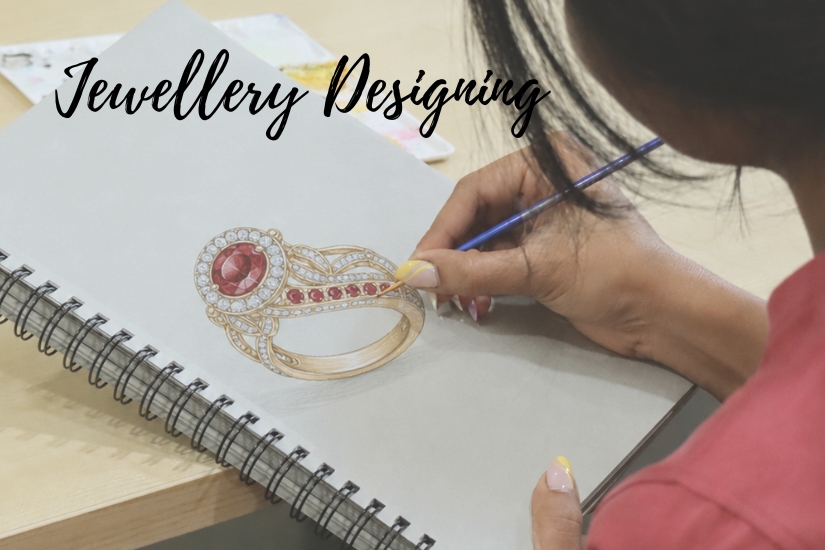
Strong sketching skills are fundamental for a product designer. Being able to quickly sketch ideas helps in brainstorming, communicating concepts, and refining designs. Visualization goes beyond just drawing; it involves imagining how a product will function, look, and feel. The ability to translate ideas into tangible visuals is a key skill that employers value highly.
Design is incomplete without prototyping. At NID, students gain access to workshops where they can experiment with materials like wood, plastic, and metal. Prototyping helps in testing the functionality and ergonomics of a product. High-earning product designers are those who can efficiently build models that showcase both creativity and feasibility.
Proficiency in digital design tools like AutoCAD, Rhino, SolidWorks, and Adobe Creative Suite is essential. A high-paying designer is expected to merge hand skills with digital expertise to create precise designs. Mastering 3D modeling and rendering software gives an edge in visual communication and helps in convincing clients or stakeholders.
Companies hire product designers not just to create beautiful products but to solve real-world problems. Learning design thinking, which is a structured approach to innovation, is crucial. It involves empathizing with users, defining problems, ideating solutions, prototyping, and testing. High-earning designers are those who think beyond aesthetics and bring innovation to every project.
A product is successful only when it appeals to users both functionally and emotionally. Designers must develop a strong sense of aesthetics, color theory, form, and proportion. Coupled with user-centered design principles, this ensures that products are not only beautiful but also meaningful and practical.
Understanding materials and production techniques is another skill that sets apart top designers. A high-paying product designer knows how to choose the right material, balance costs, and ensure durability. Knowledge of manufacturing technologies like 3D printing, CNC machining, and sustainable production adds value.
Designers need to understand how users interact with products. Ergonomics ensures comfort, safety, and usability. A high-earning designer will always design with the user in mind, making products intuitive and efficient.
To become a high-earning professional, a product designer must also understand markets. Recognizing consumer behavior, trends, and branding strategies helps in designing products that sell. Employers and clients look for designers who can balance creativity with market demands.
Even the most innovative idea is ineffective if not presented well. High-earning designers are excellent communicators. They can pitch their designs, create persuasive presentations, and articulate their design process clearly to clients, teams, and investors.
Product design is rarely a solo journey. Designers work with engineers, marketers, manufacturers, and business leaders. Collaboration skills ensure smooth teamwork, effective project management, and successful product launches.
With industries shifting towards eco-friendly practices, sustainable design has become a high-demand skill. Learning how to create products that minimize environmental impact while remaining functional and affordable increases market value for a designer.
As technology advances, products are becoming smarter. Designers with knowledge of IoT (Internet of Things), AR/VR applications, and digital interfaces are in high demand. Combining traditional design with technology makes a professional future-ready and more likely to earn higher salaries.
To become a high-earning product designer after NID, it is not enough to rely solely on creativity. A successful designer must blend core design skills like sketching, prototyping, and CAD with creativity, problem-solving, and innovation. In addition, technical knowledge of materials, ergonomics, and manufacturing adds credibility. Business skills like market insight, communication, and collaboration enhance employability, while future-ready skills such as sustainability and technology integration ensure long-term growth. By mastering these skill sets, NID graduates can not only secure high-paying roles but also create products that make a meaningful impact in the world.